




Search
Related News
- 00
0000-00
When does food processing require 316 instead of 304 stainless steel? - 00
0000-00
Global Wheat Prices Fall as Black Sea Supply Increases - 00
0000-00
A guide to choosing agri-food solutions for farm-to-fork traceability - 00
0000-00
How farm size affects agricultural innovation adoption in Europe - 00
0000-00
When do food supply chain disruptions justify higher safety stock?
Tags
Global Wheat Prices Fall as Black Sea Supply Increases




Global wheat prices declined as increased Black Sea supply outweighed concerns about weather in other key producing areas. The event date is not specified in the supplied information. Strong export volumes from Russia and Ukraine reportedly eased market tightness and pushed benchmark futures lower. For wheat traders, processors and procurement teams, the development may warrant a review of purchasing and delivery assumptions. However, the supplied account identifies no change to trade policy, regulation, standards or certification requirements, so its relevance to trade rules lies in what businesses may need to verify before acting on the price signal.
Black Sea Exports Ease Supply Pressure
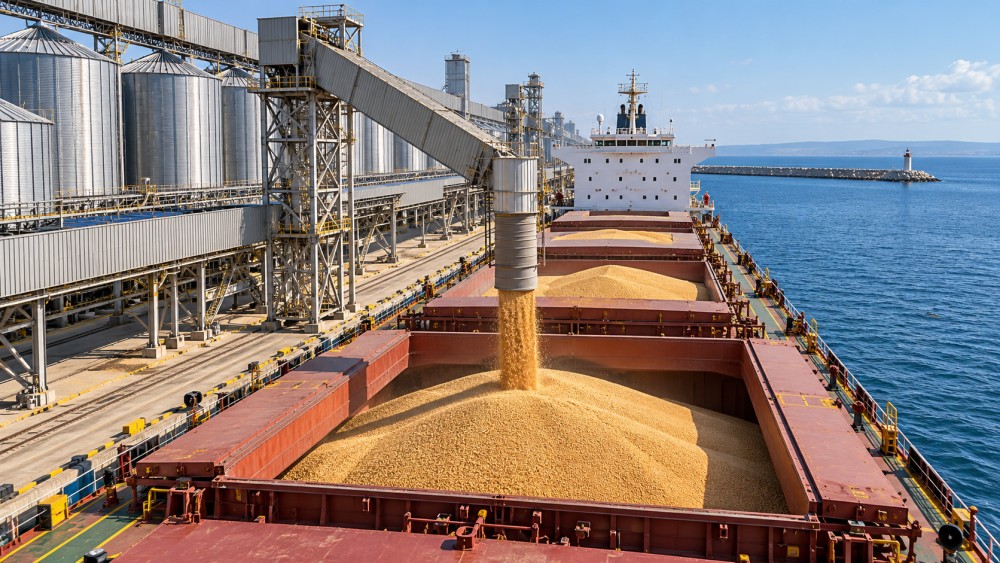
The supplied summary attributes falling global wheat prices to increased supply from the Black Sea region. Traders noted that robust export volumes from Russia and Ukraine had eased market tightness, contributing to a decline in benchmark futures.
Concerns about weather conditions in other key producing areas remained part of the market picture, but increased Black Sea supply offset those concerns in the reported price movement.
Lower Futures May Prompt Reviews Across the Wheat Supply Chain
Traders may reassess offers and contract exposure
From an industry perspective, the reported decline may prompt wheat traders to review outstanding offers, purchase commitments and sales pricing. A practical consideration would be whether supplier quotations and delivery terms reflect the reported improvement in supply. The input does not establish that contractual terms or trade requirements have changed; businesses considering new transactions could verify the conditions applicable to each shipment.
Processors may revisit purchasing assumptions
Analysis suggests that wheat processors and other raw-material buyers could use the price movement as a reason to reassess procurement timing and supplier offers. Any potential purchasing benefit would need to be evaluated against the actual wheat specification, quoted price and delivery arrangements. The reported fall in benchmark futures does not establish a corresponding reduction in any individual buyer's purchase cost.
Delivery teams may need to validate supplier commitments
For businesses coordinating supply and delivery, the reported export strength may justify checking whether suppliers can support proposed shipment schedules. This is a suggested verification step, not evidence that delivery times have improved. Any change in origin or supplier could also warrant a review of the documents and contractual conditions relevant to the proposed transaction.
Check Transaction Conditions Before Revising Purchase Plans
Compare executable offers with the market signal
As a procurement recommendation, buyers could seek updated offers and compare their specifications, delivery periods and commercial terms. This would help assess whether the reported futures decline creates a practical purchasing opportunity. The supplied information provides no transaction prices or delivery schedules from which to draw that conclusion directly.
Verify applicable trade requirements separately
From a compliance perspective, businesses considering Black Sea wheat purchases should verify the rules and documentation applicable to their intended transaction. Stronger export volumes alone do not establish that any restriction, approval condition or certification requirement has changed. The input provides no basis for treating the price decline as evidence of a regulatory relaxation.
Review quality and documentation when changing suppliers
As an operational recommendation, a proposed supplier change could be assessed against the buyer's existing quality specifications and document requirements before a commitment is made. Relevant records could be checked where required by the contract or applicable rules. No new testing, certification or traceability obligation is identified in the supplied account.
Keep purchasing decisions responsive to further evidence
Analysis suggests that procurement teams could review their purchasing assumptions as additional supply and weather information becomes available. The reported price movement reflects increased Black Sea supply offsetting weather concerns, but the input does not establish how long that balance will persist. Purchase decisions would therefore benefit from verification of current offers and delivery commitments.
The Report Signals Supply Availability, Not a Confirmed Rule Change
At this stage, it is more appropriate to understand the report as a market and trade-execution signal than as evidence of a newly implemented policy. The account links stronger exports with easing market tightness, but does not identify a legal or administrative change behind those exports. A policy cause cannot be inferred from the supplied information.
As an editorial observation, the next useful evidence would concern whether export strength continues, whether supplier offers reflect the reported price decline and whether agreed shipments are delivered as contracted. Any later claim of changed trade access, documentation requirements or certification treatment would require separate verification against the relevant official material.
Use the Price Decline to Reassess Verified Buying Options
From an industry perspective, the immediate significance is the reported easing of wheat supply pressure and the potential need to revisit commercial assumptions. Businesses may reasonably reassess quotations, purchasing schedules and supplier commitments while checking the conditions attached to each transaction. The available information supports a supply-driven market interpretation; it does not establish a change in trade rules or guarantee lower delivered costs.
Basis of This Report and Items Requiring Verification
This article is based solely on the user-provided news title, event-time information and event summary. The event date was not specified. Specific official source links were not provided in the input, and further verification remains necessary.
Potential sources for subsequent verification include official trade notices, customs or trade-authority publications, industry association information and established market reporting. These source types are suggested for follow-up and were not supplied as supporting references. Continued review could focus on actual trade execution, supplier performance, market feedback and any separately announced changes to trade requirements or certification procedures.
Related News
- Global Wheat Prices Fall as Black Sea Supply IncreasesOct 18, 2026Global wheat prices fall as Black Sea supply rises. Explore what stronger Russian and Ukrainian exports mean for buyers and how to reassess procurement options.
- China Customs Rule Tightens Export Quarantine ProofAug 13, 2026China Customs Rule Tightens Export Quarantine Proof: learn how the new export quarantine documentation requirement impacts customs clearance, supplier compliance, and global agricultural trade readiness.
- How to Compare Grain Storage Systems Suppliers on Cost and UptimeJul 15, 2026Grain storage systems supplier comparisons should go beyond price. Learn how to evaluate total cost, uptime, service support, and hidden risks to choose a more reliable long-term partner.
- Bulk Density Technical Characteristics Reference for Material Handling DecisionsJul 11, 2026Technical characteristics reference bulk density insights for smarter material handling decisions, from storage and conveying to dosing, quality control, and cost-efficient project planning.