




Search
Related News
- 00
0000-00
How to assess a commercial project solutions supplier before awarding a contract - 00
0000-00
How food policy trends are reshaping sustainable sourcing decisions - 00
0000-00
What drives infant care products price differences across brands? - 00
0000-00
How quality assurance in bioprocessing prevents batch-to-batch variability - 00
0000-00
When do nutritional innovation ingredient solutions improve supplement formulation?
Tags
Procurement Checklist for Chicken Cage Buyers in Tanzania




Buying cage equipment for a poultry farm in Tanzania is a practical procurement decision, not only a search for the lowest quoted price. The buyer has to confirm bird type, flock size, house dimensions, ventilation conditions, water supply, spare parts, shipping route, installation support, and the daily routine that workers will follow after the cages are installed. If these details are not settled before ordering, a farm may receive equipment that looks suitable in a catalogue but creates avoidable problems on site.
Tanzania has poultry projects at different scales, from smaller layer houses to larger commercial farms that want better control over feeding, drinking, manure handling, and egg collection. A cage system can help organize production, but it must match the actual building and management model. A buyer should not treat all cage offers as equal. Two suppliers may quote the same bird quantity while using different material specifications, cage dimensions, accessories, packing methods, and installation assumptions.
This procurement checklist is written for farm owners, consultants, distributors, and purchasing teams comparing poultry cage options for Tanzanian projects. It explains what to ask before paying a deposit, what to check in the quotation, and how to reduce delivery and installation risk without relying on unsupported promises or invented price claims.
Begin With the Farm Requirement Sheet
A clear requirement sheet is the buyer's best protection against vague quotations. Before contacting suppliers, the farm should record the planned bird quantity, production type, house size, preferred cage type, local climate conditions, available labor, power supply, water source, and whether the project will use manual, semi-automatic, or automatic equipment. This document does not need to be complicated, but it should be specific enough for suppliers to quote against the same assumptions.
For layer farms, buyers should note the expected number of birds per house, cage tier, row direction, aisle width, egg collection routine, feeding method, drinking line setup, and manure removal plan. For growing or broiler-related projects, the buyer should confirm whether the cage product is suitable for the bird stage and production model. A cage designed for one purpose should not be copied into another house without reviewing bird access, weight, cleaning, and airflow.
The requirement sheet should also include site conditions. If the farm is far from a main port or major city, delivery planning matters. If electricity is unstable, automatic equipment needs backup planning. If water quality is uncertain, filters and pressure control should be part of the discussion. A good supplier will use these details to refine the cage proposal.
Compare Cage Type and Capacity Carefully
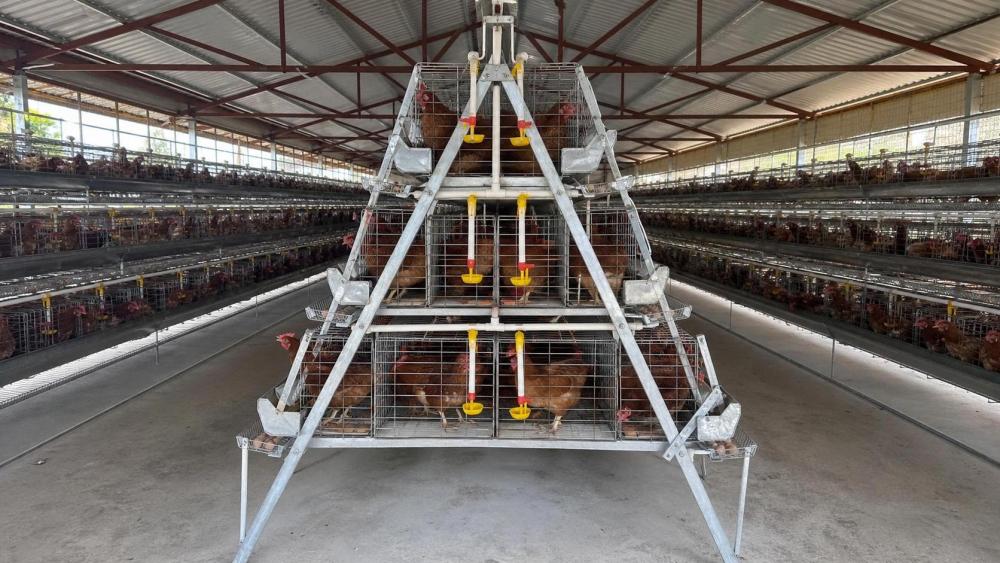
Capacity numbers can be confusing. One supplier may describe birds per cage, another may describe birds per set, and another may describe total house capacity. Buyers should ask each supplier to show the calculation clearly. The quotation should state cage dimensions, tier count, number of cages, birds per cage, total birds, row layout, and house space requirements.
A-type cages are often selected for easier inspection and moderate-scale houses. H-type systems can support higher density and more structured automation, but they require stronger planning for ventilation, manure handling, row alignment, and maintenance. The buyer should decide based on farm scale, labor, budget, house width, and long-term operating plan.
When reviewing chicken cages tanzania options, buyers should ask whether the quoted system is for layer production, pullet rearing, broiler use, or another model. The wrong cage type can create bird access problems, cleaning difficulty, or poor fit with the intended house routine.
Quotation Details That Should Not Be Missing
A professional cage quotation should show more than a product name and total price. It should identify what is included and what is excluded. This is especially important when comparing international suppliers, local agents, and distributors. Missing accessories can make a cheaper offer more expensive once installation begins.
Ventilation and Climate Fit
Cage equipment should be reviewed together with the poultry house climate plan. In warm or humid conditions, bird comfort depends on airflow, stocking density, roof design, side openings, fans, curtains, and sometimes cooling equipment. A cage layout that blocks airflow or places rows too tightly can create heat stress and make daily management more difficult.
Buyers should ask how cage tier, row spacing, and house width affect air movement. If the farm uses natural ventilation, sidewall height and openings must be considered. If the farm uses fans, the supplier should understand how equipment placement will interact with airflow. If the project includes automatic systems, power supply and backup operation should be discussed before equipment is shipped.
Ventilation also interacts with manure handling. Waste that remains too long can contribute to odor and ammonia. The buyer should plan how often manure will be removed, where it will go, and whether workers can access the area under or around the cages. Good procurement planning connects cage layout, airflow, cleaning, and waste removal.
Shipping, Customs, and Site Preparation
Delivery planning should begin before the order is confirmed. Buyers should clarify packing method, container loading, shipment terms, destination port, inland transport, customs documents, and expected unloading needs. Cage systems include many small parts, so the packing list must be detailed. Missing bolts, connectors, nipples, brackets, or small accessories can delay installation even when the main cage frames arrive.
Site preparation is equally important. The house should be measured and cleared before delivery. Floors should be checked for levelness. Water tanks, pipe routes, feed storage, electricity, drainage, and manure exits should be prepared. If local installers are involved, they should receive drawings before goods arrive. Waiting until the truck is on site to study the layout is a recipe for delays.
During receiving inspection, buyers should compare goods with the packing list, photograph damaged parts, count accessories, check coating damage, and separate critical components. A structured inspection record protects the buyer when discussing missing or damaged items with the supplier.
Supplier Qualification Questions
A supplier should be evaluated by more than product photos. Buyers should ask practical questions that show whether the supplier understands farm operation. The answers do not need to be polished, but they should be specific and consistent.
- Can the supplier explain the cage capacity calculation row by row?
- What house dimensions and aisle widths are recommended for the quoted layout?
- Which feeding, drinking, manure, and egg collection components are included?
- What surface treatment is used, and how should the cages be cleaned?
- What spare parts are recommended for the first year?
- What documents are provided for installation and maintenance?
- How are goods packed to reduce shipping damage and missing accessories?
- What site conditions must the buyer prepare before installation starts?
Installation and First-Use Testing
Installation should follow a planned sequence. Mark row positions, check alignment, assemble frames, install feed and water components, test water pressure, inspect cage doors, and confirm worker access before placing birds. If the farm uses automatic or semi-automatic equipment, test motors, feed movement, belts, and controls with the system empty first.
First-use testing should include a small routine simulation. Workers should walk the aisles, inspect cages, check drinker access, move feed through the line, remove sample waste, and confirm whether tools can reach every area. If any section is difficult to inspect, clean, or repair, it should be corrected before the house is stocked.
Managers should also prepare a maintenance log. Record water leaks, feed waste, loose parts, coating damage, broken accessories, manure delays, and worker comments. These early records help the farm improve routines and communicate clearly with the supplier if support is needed.
FAQ
What should Tanzania poultry buyers prepare before asking for a cage quotation?
Prepare bird quantity, house size, cage type preference, production model, water and power conditions, ventilation plan, labor plan, and delivery destination.
Is the lowest cage quotation usually the best choice?
Not necessarily. A low quotation may exclude accessories, spare parts, installation guidance, or adequate material specifications. Buyers should compare complete scope and operating fit.
Why are packing lists important for cage purchases?
Cage systems include many small parts. A detailed packing list helps buyers inspect goods, identify missing accessories, and avoid installation delays.
Should automation be included from the start?
Automation should match farm scale, power reliability, labor cost, maintenance ability, and future expansion plans. It is useful only when the farm can operate and maintain it consistently.
Editorial Review Note
This article is buyer-facing guidance for poultry equipment procurement. It avoids fabricated prices, unsupported market statistics, invented project numbers, guaranteed production claims, and invented certifications. Final upload should be reviewed against the destination portal's house style, category rules, and formatting requirements.
Related News
- Moisture, Cleaning and Repair Risks in Wooden Broiler Chicken CagesOct 07, 2026Broiler wooden chicken cage in Nigeria maintenance guide: prevent moisture damage, improve cleaning, and make safer repairs for lasting poultry housing.
- What Is a Poultry Company? Core Operations From Flock Care to EquipmentOct 01, 2026que es una empresa avicola? Explore how poultry companies manage flock care, housing, equipment, biosecurity, and production for reliable operations.
- How Floor Space Allocation Affects Welfare and Productivity in a 1,000-Bird Layer HouseSep 17, 2026dimension poulailler pour 1000 poules pondeuses — discover how precise floor space allocation boosts welfare, productivity & ROI in layer houses.
- Homemade Laying Hen Cages: Materials, Dimensions, and Safety ChecksSep 07, 2026Como hacer jaulas para gallinas ponedora caseras: explore safe materials, practical dimensions, ventilation, egg hygiene, and essential checks for a reliable setup.