




Search
Related News
- 00
0000-00
Which sources provide reliable sustainable food systems market data? - 00
0000-00
How to prevent hydraulic overheating in construction machinery - 00
0000-00
What ingredient sourcing information reveals supplier reliability - 00
0000-00
Control System Design Priorities for Ingredient Manufacturers Handling Allergen Risks - 00
0000-00
Life Sciences Commercialisation: How to Build a Scalable Market Entry Plan
What makes industrial automation safer in barns?




Barn safety is no longer managed by checklists alone. For quality control and safety managers, industrial automation is turning barns into monitored, data-driven environments where ventilation, feeding, manure handling, equipment movement, and animal welfare risks can be controlled with greater precision. By combining sensors, machine vision, alerts, and automated shutdown systems, modern agricultural machinery helps reduce human error, prevent accidents, and maintain consistent compliance. Understanding what makes these systems safer is essential for building resilient, efficient, and accountable livestock operations.
Where does industrial automation reduce barn safety risk first?
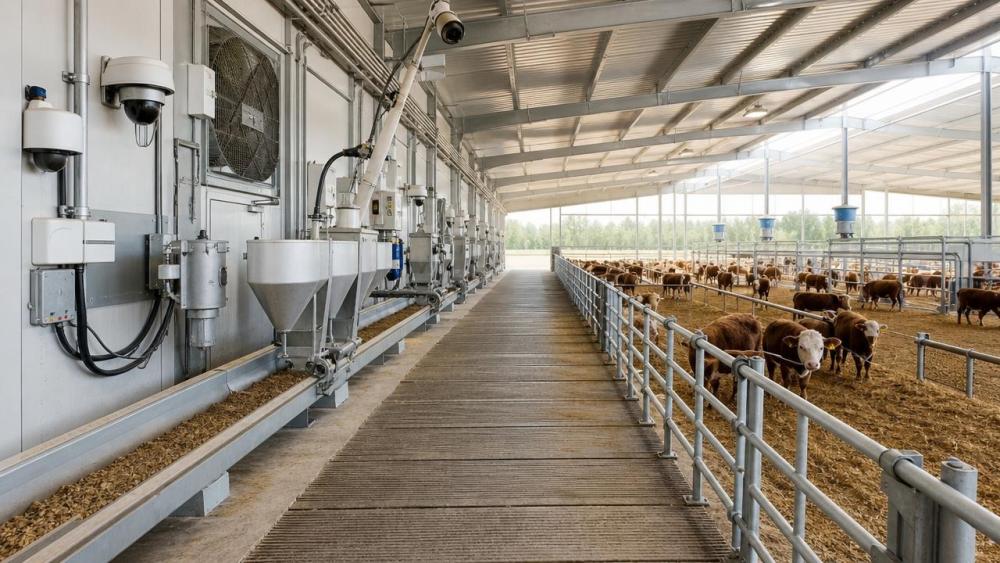
The safest automation projects start with the hazards that occur repeatedly, escalate quickly, or affect both workers and animals. In barns, these risks are rarely isolated.
Ventilation failure can become an animal welfare crisis. A jammed conveyor can create mechanical injury risk. A feed dosing error may affect product quality and traceability.
For quality control and safety managers, industrial automation is valuable because it connects these events into one controllable operating picture rather than scattered manual observations.
Priority hazard zones in automated livestock buildings
- Air quality zones require automated monitoring of ammonia, carbon dioxide, humidity, temperature, and airflow to prevent exposure peaks.
- Feeding and watering lines need blockage detection, dosing verification, and abnormal consumption alerts to protect animal health.
- Manure handling systems benefit from guarded drives, gas detection, load sensors, and lockout procedures linked to maintenance status.
- Mobile machinery areas need presence detection, speed control, warning lights, and route separation for people and equipment.
Industrial automation does not remove the need for competent staff. It gives staff earlier warning, clearer evidence, and more consistent control over complex barn conditions.
Which automation functions matter most for QC and safety managers?
A barn can contain many smart devices, but not every device improves safety. The practical test is whether the function detects risk, prevents escalation, or documents compliance.
The following table summarizes core industrial automation functions and the safety value they bring in agricultural machinery environments.
The strongest systems combine prevention and proof. Industrial automation should not only trigger alarms; it should show what happened, when it happened, and what response followed.
How does industrial automation control human error in daily barn operations?
Human error often increases when teams face fatigue, repetitive tasks, inconsistent training, or time pressure. Barns intensify these pressures through noise, dust, humidity, and variable animal behavior.
Industrial automation improves safety by making critical routines repeatable. It also makes exceptions visible, so supervisors can focus attention where judgment is truly needed.
Controls that reduce dependency on memory
- Automated ventilation schedules adjust airflow based on sensor readings rather than fixed manual assumptions.
- Feed delivery controls verify motor operation, bin levels, dispensing time, and line pressure where applicable.
- Digital checklists require confirmation for cleaning, inspection, lockout, and restart activities.
- Role-based access prevents unauthorized changes to dosing recipes, alarm thresholds, and equipment modes.
For safety managers, the key benefit is not replacing personnel. It is reducing the number of hidden assumptions inside routine work.
For QC personnel, the benefit is consistency. Industrial automation helps ensure that environmental conditions, feeding accuracy, and hygiene-related processes remain within defined limits.
What parameters should be specified before purchasing barn automation?
Procurement becomes difficult when suppliers describe benefits without operational boundaries. A safer purchasing process begins with measurable parameters and clear acceptance criteria.
Before approving industrial automation for barns, managers should convert risk concerns into equipment requirements, installation needs, and verification methods.
This table also helps compare quotations. A lower initial price may be reasonable, but only if the industrial automation system meets the barn’s safety and compliance context.
Which solution architecture is safer: standalone devices or integrated systems?
Many barns begin with standalone alarms or single-purpose controllers. These can solve immediate problems, but they may not provide coordinated safety management.
Integrated industrial automation links sensing, control, reporting, and maintenance workflows. The right architecture depends on barn size, labor model, risk level, and budget.
A practical migration path often works best. Start with high-risk areas, standardize data points, then expand industrial automation into cross-barn visibility and predictive maintenance.
How do standards and compliance shape safer barn automation?
Compliance is not limited to paperwork. It influences guarding, emergency stops, electrical safety, food chain accountability, worker protection, and animal welfare documentation.
When evaluating industrial automation, safety managers should ask how the system supports recognized engineering principles and local regulatory duties.
Common compliance references to discuss with suppliers
- Machine guarding and emergency stop design should follow applicable machinery safety principles and local occupational safety regulations.
- Electrical panels, cabling, ingress protection, and grounding should be suitable for dusty, wet, and corrosive barn conditions.
- Food safety and traceability systems should maintain accurate records for feed, treatments, environmental deviations, and corrective actions.
- Animal welfare programs should use automation data responsibly, supporting observation rather than replacing trained husbandry judgment.
Managers should avoid treating certification marks as the only decision factor. The installation environment, operating procedure, and maintenance plan determine real safety outcomes.
What implementation process keeps automation projects under control?
Fast delivery is important, but rushed deployment can create new hazards. The safer route is a staged project with risk review, acceptance tests, and staff training.
Industrial automation should be implemented as an operating system for the barn, not simply as hardware mounted on walls and machinery.
Recommended implementation sequence
- Map hazards by zone, including ventilation rooms, feed alleys, manure channels, electrical panels, and animal movement areas.
- Define control objectives, such as preventing overheating, stopping machinery during access, or documenting feed delivery deviations.
- Select sensors and controllers based on barn conditions, not only on catalog specifications or purchase price.
- Test alarms, shutdown logic, manual overrides, backup power behavior, and recovery after network interruption.
- Train operators using real scenarios, including false alarms, emergency stops, cleaning periods, and maintenance lockout.
Acceptance testing should be documented. If the industrial automation system cannot prove its response under realistic barn conditions, managers lack evidence for sign-off.
What hidden costs should be considered before approval?
Budget pressure is common in agricultural machinery procurement. However, a narrow equipment-only comparison can underestimate total cost and safety exposure.
Industrial automation costs include integration, training, calibration, spare parts, data storage, and periodic review of alarm limits as herd size or barn layout changes.
Cost items that affect long-term safety
- Installation complexity may rise when legacy machinery lacks compatible controls, documentation, or safe access points.
- Calibration and verification tools should be budgeted for gas sensors, weighing systems, and environmental monitoring equipment.
- Training time should cover supervisors, operators, cleaners, maintenance technicians, and temporary staff where applicable.
- Downtime planning is needed when automation installation affects feeding, ventilation, manure removal, or animal relocation.
A phased investment can control cash flow. Yet each phase should still fit a complete industrial automation roadmap, otherwise isolated upgrades may create future rework.
FAQ: practical questions about industrial automation in barns
The following questions reflect common concerns from QC teams, safety managers, and operations leaders evaluating safer barn automation projects.
How do I know if my barn is ready for industrial automation?
Readiness depends on hazard mapping, electrical condition, equipment documentation, network availability, and staff capability. A barn with recurring deviations is often a strong candidate.
Start by identifying the top three incidents or near misses from the past year. Then determine whether monitoring, automatic control, or documentation would reduce recurrence.
Is industrial automation suitable for older barns?
Yes, but retrofit planning matters. Older barns may need electrical upgrades, enclosure protection, safer cable routing, and compatibility checks with existing motors and controllers.
A staged retrofit is often safer than a full replacement. High-risk functions such as ventilation alarms and machinery shutdowns can be prioritized first.
What should I ask suppliers before comparing quotations?
Ask for operating limits, installation assumptions, data ownership terms, maintenance intervals, spare part availability, alarm logic examples, and training scope.
Also request a written description of how the industrial automation system behaves during power loss, sensor failure, communication interruption, and emergency stop reset.
Can automation replace manual safety inspections?
No. Automation strengthens inspections by providing continuous data and event alerts, but physical checks remain essential for wear, damage, animal behavior, and sanitation issues.
The best practice is to connect digital records with field verification, so corrective actions are based on both sensor evidence and trained observation.
How GALM supports safer automation decisions from farm to food chain
GALM views barn safety as part of a wider life-quality system. Safer machinery supports animal welfare, food integrity, worker protection, and sustainable agricultural performance.
Through its Strategic Intelligence Center, GALM connects industrial economists, food engineers, and consumer behavior specialists to interpret technology trends with commercial relevance.
This matters because industrial automation procurement is not only a technical purchase. It is also a decision about compliance, market access, operational resilience, and brand accountability.
Why choose GALM for consultation?
- Parameter confirmation: clarify sensor ranges, alarm thresholds, data points, and machinery interfaces before supplier negotiation.
- Product selection support: compare standalone devices, PLC-based control, and connected platforms against barn risk priorities.
- Certification and compliance review: align machinery safety, environmental monitoring, traceability, and welfare documentation requirements.
- Delivery and rollout planning: assess phased installation, downtime windows, training needs, and acceptance testing requirements.
- Commercial insight: evaluate how automation investment supports sustainable agriculture, quality assurance, and future market expectations.
If your team is reviewing industrial automation for barns, GALM can help turn safety concerns into clear specifications, comparison criteria, and implementation priorities.
Contact GALM to discuss parameter confirmation, supplier evaluation, customized automation roadmaps, certification questions, delivery timing, sample data requirements, and quotation preparation.
Related News
- What to verify before selecting a feeding systems manufacturerOct 02, 2026Feeding systems manufacturer selection guide: verify engineering, automation, hygiene, compliance, service support, and lifecycle value before investing.
- What determines the price of an automated feeding system?Sep 12, 2026Automated feeding system price depends on capacity, feed type, automation, layout, controls, and installation. Discover the key cost drivers to compare quotes confidently.
- How 1000 Chicken House Size in Meters Shapes Cage and Aisle DesignAug 21, 20261000 chicken house size in meters directly affects cage rows, aisle width, ventilation, and maintenance. Learn how smart layout planning improves efficiency, access, and long-term layer house performance.
- How to Compare Automatic Feeding Systems by Throughput, Feed Accuracy, and Labor CostAug 07, 2026Automatic feeding systems compared: learn how to evaluate throughput, feed accuracy, and labor cost to choose a more efficient, reliable solution for your operation.