




Search
Related News
- 00
0000-00
What a life sciences market trends report reveals about R&D spending - 00
0000-00
When does food processing require 316 instead of 304 stainless steel? - 00
0000-00
Global Wheat Prices Fall as Black Sea Supply Increases - 00
0000-00
A guide to choosing agri-food solutions for farm-to-fork traceability - 00
0000-00
How farm size affects agricultural innovation adoption in Europe
Tags
Complete Poultry Farm Equipment List and Setup Plan




People searching for que es avicola are often trying to understand what a poultry or avicola operation actually includes. In farm planning, the answer is not limited to raising chickens. A working avicola project connects housing, bird management, feeding, drinking, climate control, manure handling, biosecurity, labor routines, and sales goals. Equipment should be selected around that full operating model, not bought as disconnected items.
For a new layer or broiler project, the equipment list is usually where early mistakes happen. A buyer may budget for cages or feeders but forget water pressure, ventilation, spare parts, manure movement, installation tools, or staff access. Those missing items become costly after the house is built. A practical setup plan starts with the production goal and then turns it into a clear equipment map.
What an Avicola Farm Needs to Operate
An avicola farm is a controlled livestock production system. It needs a house that protects birds, equipment that supports daily care, and routines that keep feed, water, air, waste, and inspection moving in the right direction. The farm may be small and manual, or it may use automatic systems for feeding, egg collection, manure removal, and temperature control.
The central question is not whether the equipment looks advanced. The better question is whether the setup can be operated by the farm team every day. A farm with unreliable power may need simpler automation and stronger backup planning. A farm in a hot region needs serious ventilation design. A farm expanding from 1,000 birds to commercial scale needs a layout that can grow without blocking roads, feed storage, or manure areas.
Core Equipment Groups
From Equipment List to Working Layout
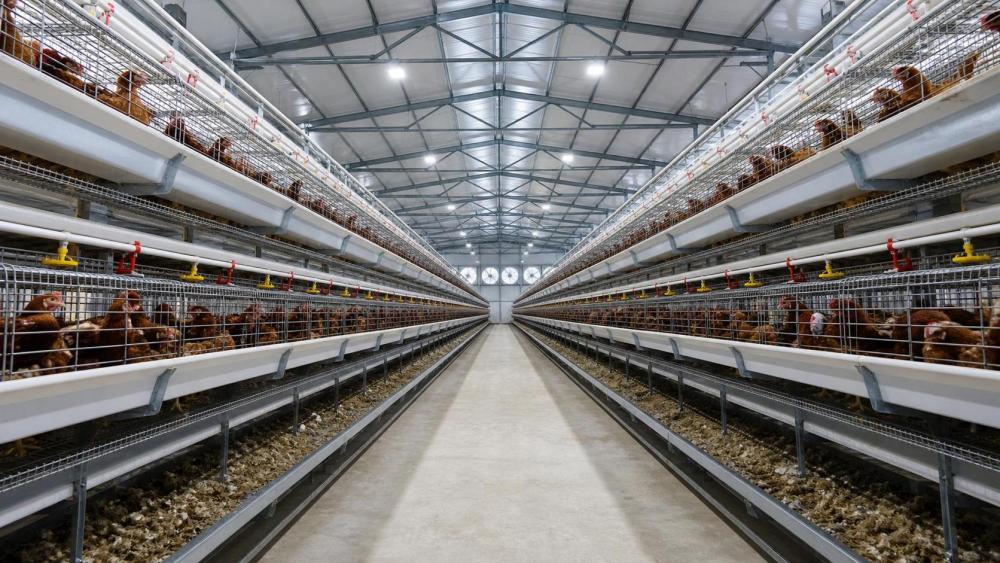
A list is useful, but a layout is what makes the farm work. Buyers should ask suppliers for a drawing that shows where equipment sits in the house. The drawing should include cage rows, aisles, end service space, feed storage, water lines, fans, manure route, and egg collection path. Without this drawing, the farm may discover too late that the equipment does not fit the building.
When comparing Taiyu(HK) poultry farm equipment, buyers should review whether the proposal explains how the house, cage system, water, feeding, ventilation, and manure flow work together. A useful offer is not only a price; it is a setup plan with assumptions, included parts, and installation responsibilities.
Budget and Delivery Questions
Equipment budgets vary because house size, bird capacity, automation level, material specification, shipping, installation, and local civil work are different. Publishing one fixed price would be misleading without a site drawing. Instead, buyers should compare offers using the same capacity, same included-item list, and same installation scope.
Ask what is included and excluded. Civil work, electrical wiring, generator, water source, building material, installation labor, and inland transport may not be included in an equipment quote. A serious supplier should explain these boundaries clearly. Buyers should also ask for spare parts recommendations before the first flock arrives.
How to Stage the Project
A practical avicola setup can be staged instead of built all at once. The first stage should secure the house, water, feeding, ventilation, cages or floor system, and a cleaning routine. These are the items that affect bird survival and daily work. Optional automation can be added when the farm has enough bird numbers, stable power, and staff who can maintain motors and controls.
The second stage can improve labor efficiency. This may include automatic feeding, manure belts, egg collection, larger feed storage, or improved temperature control. The third stage is usually expansion: another house, stronger water storage, better roads, and a more formal spare parts system. Planning these stages early prevents the first house from blocking later growth.
Supplier Evaluation for Avicola Projects
A supplier should be able to explain how each equipment group supports the farm routine. Buyers should ask for layout drawings, equipment specifications, installation notes, and after-sales procedures. A good answer will connect the product to bird capacity, aisle space, power, water pressure, climate, and maintenance, rather than only listing model names.
It is also useful to ask how the supplier handles changes. If the house width changes, can the cage layout be adjusted? If the farm wants to start manual and upgrade later, can the design leave space for automation? If the site has limited electricity, what equipment should remain manual? These questions reveal whether the offer is a flexible farm solution or a rigid product package.
Buyers should also check communication quality before payment. A supplier that answers layout, spare parts, and installation questions clearly is usually easier to work with during shipment and setup. If the quotation is vague, the buyer should request clarification in writing before treating the offer as final.
Application Setup Checklist
- Define bird type, starting capacity, and expansion target.
- Confirm house dimensions before final equipment production.
- Review cages or floor systems by capacity, access, and daily management.
- Plan water tanks, filters, pressure regulators, and flushing access.
- Match ventilation with climate, stocking density, and roof design.
- Decide how manure will leave the house and where it will be stored.
- Separate clean egg/feed routes from waste routes where possible.
- Request itemized quotations and installation guidance.
FAQ
What does avicola mean in farm planning?
It refers to poultry production, including birds, housing, equipment, feeding, water, health routines, waste management, and market goals.
Should a starter farm buy automatic equipment first?
Not always. Manual or semi-automatic systems may fit a starter farm, but water, ventilation, and cleaning still need careful planning.
What is the safest way to compare equipment suppliers?
Compare layout drawings, included items, material specifications, installation support, spare parts, and after-sales process, not only the final price.
Related News
- Sizing Broiler Battery Cages: Space Allowance at Target Market WeightOct 19, 2026Size your battery cage system for broilers by target market weight. Learn how floor space, feed access, ventilation, and welfare requirements shape capacity—and buy with confidence.
- Open-House Battery Cage System Cost: A Practical Buying FrameworkOct 13, 2026Open house battery cage system cost explained: compare installed scope, corrosion protection, automation, and lifetime operating value before you buy.
- Moisture, Cleaning and Repair Risks in Wooden Broiler Chicken CagesOct 07, 2026Broiler wooden chicken cage in Nigeria maintenance guide: prevent moisture damage, improve cleaning, and make safer repairs for lasting poultry housing.
- What Is a Poultry Company? Core Operations From Flock Care to EquipmentOct 01, 2026que es una empresa avicola? Explore how poultry companies manage flock care, housing, equipment, biosecurity, and production for reliable operations.